
Within the genus of Cannabis there exists: C. sativa, C. indica and C. ruderalis.
Most strains sold today are hybrids that breeders have crossed to create plants that are hardier, more potent and with a diverse set of terpenes. Breeders have the three strains C. sativa, C. indica and C. ruderalis to cross and are creating many new hybrids with a wide range of effects. Through a complicated process they can now create genetically modified seeds which produce female plants 99% of the time. These feminized seeds are more expensive but you don’t have to throw out half the plants.
I have found several strains that work for me and use them on a regular basis. The complex set of chemical compounds in these plants means that each individual will experience somewhat different effects. There are literally thousands of sites selling seeds and thousands of strains with new ones showing up on a regular basis. There is no real regulation on the breeding and naming of cannabis strains. To add to the confusion many breeders will slightly modify a well known strain to improve some aspect of the plant. When buying seeds I would look for an established company that is low on hype and long on information.
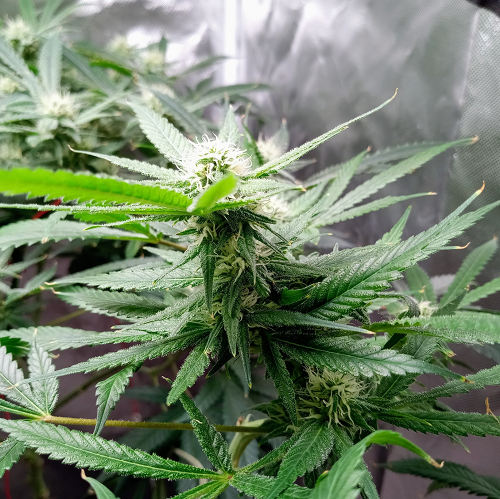
C. sativa
Cannabis sativa is an annual herbaceous flowering plant indigenous to Eastern Asia, but now of cosmopolitan distribution due to widespread cultivation. It has been cultivated throughout recorded history, used as a source of industrial fiber, seed oil, food, recreation, religious and spiritual moods and medicine. Each part of the plant is harvested differently, depending on the purpose of its use. The species was first classified by Carl Linnaeus in 1753. The word sativa means “things that are cultivated.” (Wikipedia)
C. indica
In 1785, Jean-Baptiste Lamarck published a description of a second species of Cannabis, which he named Cannabis Indica. Lamarck based his description of the newly named species on plant specimens collected in India. Richard Evans Schultes described C. Indica as relatively short, conical, and densely branched, whereas C. sativa was described as tall and laxly branched. Loran C. Anderson described C. Indica plants as having short, broad leaflets whereas those of C. sativa were characterized as relatively long and narrow. Cannabis Indica plants conforming to Schultes’s and Anderson’s descriptions originated from the Hindu Kush mountain range.
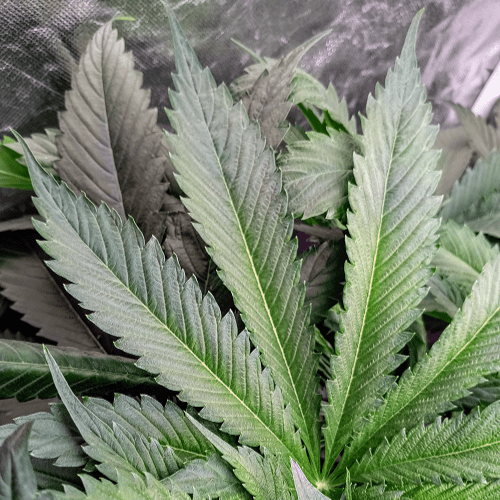
Richard Evans Schultes described C. Indica as relatively short, conical, those parts, C. Indica is well-suited for cultivation in temperate climates. There was very little debate about the taxonomy of Cannabis until the 1970s, when botanists like Richard Evans Schultes began testifying in court on behalf of accused persons, who sought to avoid criminal charges of possession of Cannabis sativa by arguing that the plant material could instead be Cannabis Indica. (Wikipedia)
C. ruderalis
Because C. ruderalis transitions from the vegetative stage to the flowering stage with age, as opposed to the light cycle required with photoperiod strains, it is bred with other household sativa and indica strains of cannabis to create “Auto-flowering cannabis strains”. These strains are favorable for cultivars because they exhibit the hardiness of ruderalis plants while still maintaining the medicinal effects of sativa and indica strains. Cultivators also favor ruderalis plants due to their reduced production time, typically finishing in 3-4 months rather than 6-8 months. The Auto-flowering trait is extremely beneficial because it allows for multiple harvests in one outdoor growing season without the use of light deprivation techniques necessary for multiple harvest of photo-period strains. As a result of ruderalis genetics, auto-flowering plants typically have much higher CBD levels than photo-period cannabis. (Wikipedia)
 Growing medical cannabis